
Jet A1 91.91
Jet A-1: A Closer Look
Jet A-1 is a type of aviation turbine fuel crucial for modern aviation. It's particularly important in regions adhering to British defense standards, like DEF STAN 91-91. This standard ensures the fuel meets specific quality and performance criteria.
Key Features of Jet A-1:
- Composition: Primarily composed of hydrocarbons (paraffins, cycloalkanes, and aromatics).
- Additives: Includes anti-icing agents, biocides, and stabilizers.
- Physical Properties: Specific flash point, freezing point, and density.
- Ensures quality and performance: Guarantees fuel meets stringent standards.
- Aligns with global standards: Ensures compatibility with international aviation practices.
- Improved engine performance: Optimal combustion and efficiency.
- Enhanced safety: Prevents issues like fuel contamination and icing.
- Environmental considerations: Contributes to reduced emissions and sustainable aviation.
- Sustainable Aviation Fuels (SAFs): Research into alternative fuels to reduce environmental impact.
- Advanced Additives: Development of new additives for improved fuel performance.
- Refining Innovations: Advancements in refining processes for cleaner and more efficient fuels.
JP54
Jet Fuel JP-54, a specialized aviation fuel, is a kerosene-based liquid used to power gas turbine aircraft engines. It's characterized by its lower specific energy compared to other jet fuels like Jet A. The fuel undergoes a rigorous refining process to ensure its quality and safety.
Key Points:
- Lower Energy Density: JP-54 has a lower specific energy compared to more common jet fuels like Jet A, making it less efficient.
- Additives: It contains additives to improve its performance and reduce risks like icing and explosion.
- Limited Availability: JP-54 is not widely traded or sold, and its use has been largely phased out in favor of higher-quality fuels like Jet A-1.
- Safety Concerns: Proper handling and storage are crucial to prevent water contamination and ice crystal formation, which can impact engine performance and safety.

LABSA
HS Code: 34021190
Sulfocid is an economical, versatile, and biodegradable anionic surfactant. This product can be neutralized with various inorganic bases and organic amines to produce a wide range of sulfonates tailored to specific properties. Sulfocid can be used to create both liquid and dry products. It is an effective surfactant in acidic environments and contains minimal sulfuric acid. Upon neutralization, it produces a material with low salt content, light color, and low odor, offering flexibility in formulations.
Light Crude API>30
Linear alkyl Benzene (LAB)
HS Code: 340231
Linear Alkylbenzene (LAB), composed of two groups alkyl and benzene is also known as detergent alkyl. It is an intermediate compound in the petrochemical industry, produced through the alkylation of benzene with paraffins from raw materials. LAB is primarily used to produce Linear Alkylbenzene Sulfonate (LAS), which serves exclusively as a surfactant in the manufacturing of detergents and cleaning products.
Mazut
Mazut is a low-cost, heavy-fuel oil derived from crude oil refining. It's popular in industries with high fuel needs due to its:
- Cost-effectiveness: Cheaper than cleaner alternatives.
- High energy density: Packs more energy per unit than many other fuels.
- Availability: Abundant byproduct of crude oil refining.
Methanol
HS Code: 29051100
Methanol (CH₃OH) is a simple one-carbon alcohol that is colorless, tasteless and has a faint odor. It is also known as methyl alcohol or wood alcohol. Methanol is most commonly produced from natural gas but can also be derived from renewable bio-feedstocks or coal through gasification.
Appearance: Colorless liquid
Bulk Delivery,
Transportation, and Storage:
Methanol can be stored and transported in carbon steel tanks with a suitable coating or in stainless-steel tanks. It is typically shipped via road using 25,000-liter tankers.
Applications:
- Production of various polymers using MTO (Methanol-to-Olefins) technology
- Production of formaldehyde (formalin) for resin manufacturing
- Production of M.T.B.E. (Methyl Tertiary-Butyl Ether) to enhance gasoline quality (fuel optimization)
- Production of DME (Dimethyl Ether)
- Production of solvents and antifreeze
- Production of acetic acid
- Production of acetates such as methyl acetate, ethyl acetate, and others
Methyl acetate
HS Code: 29183040
Methyl acetate is a neutral, colorless liquid with an ester-like odor. Also known as methyl ethanoate or acetic acid methyl ester, this substance is typically produced with a purity of 85%. The production process is continuous, and the material is actively produced and sold. Methyl acetate is made by reacting methanol with acetic acid, followed by distillation of the final product.
Applications of methyl acetate:
- Solvent for nitrocellulose and for cellulose acetate
- Preparation of paint, lacquer, thinners, and strippers
- To manufacture artificial leather
- Perfume industry
- Organic synthesis
Mixed Xylene
HS Code:29024400
Mixed Xylene is a colorless, flammable aromatic hydrocarbon liquid with a sweet odor. It is a mixture of various xylene isomers, including meta-xylene, para-xylene, ortho-xylene, and ethylbenzene. Mixed xylene is widely used as a solvent in industries such as paints and coatings, pesticides, printing, rubber, and leather. It can also be used as a substitute for toluene when a slower drying process is desired. Due to its excellent adhesive properties, mixed xylene is commonly used in paints, pesticides, and other products.
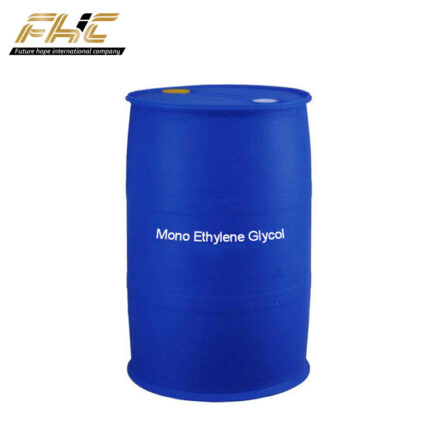
Mono Ethylene Glycol
HS Code:29053100
Monoethylene Glycol (MEG) is a colorless, odorless, and hygroscopic liquid that is soluble in water and widely used in various industrial applications. MEG is produced by the reaction of ethylene oxide with water and serves as the key raw material for the production of polyethylene terephthalate (PET) resin. Additionally, MEG is used as a coolant and heat transfer fluid in the automotive and HVAC industries, as well as an ingredient in antifreeze, de-icing solutions, and personal care products.
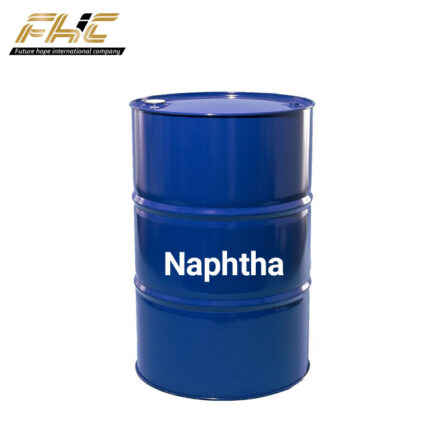
Naphtha
HS Code: 270750
Naphtha refers to a group of liquid hydrocarbon compounds that are highly volatile and flammable. It is a general term used for compounds that, in crude oil distillation processes, are collected between the gas cuts and kerosene fractions. These compounds account for approximately 11% of crude oil.
Naphtha 58-60
Naphtha is a versatile, flammable liquid hydrocarbon mixture derived from petroleum. It's primarily used as a feedstock in the petrochemical industry to produce essential chemicals like ethylene and propylene, which are the building blocks for plastics and other synthetic materials.
Key Points:
- Composition: Naphtha is a mixture of hydrocarbons, primarily aliphatic and aromatic compounds.
- Applications:
- Petrochemical Industry: Feedstock for producing ethylene, propylene, and butadiene.
- Chemical Industry: Used in synthesizing adhesives, resins, and solvents.
- Energy Industry: Fuel for power plants and industrial burners.
- Pharmaceutical Industry: Used in the synthesis of medications.
- Safety Concerns: Naphtha is highly flammable and can be harmful if inhaled or ingested. Proper handling and storage are crucial to prevent accidents.
- Production: Naphtha is produced through the distillation of crude oil, coal tar, or shale oil.


